

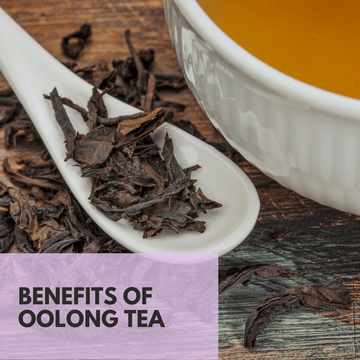

Oolong offers a broad range of flavors for tea lovers to explore. Made from Camellia sinensis, the same plant used for black, green, and white teas, oolong is partially oxidized during processing.
Choose it for its flavor and brewing experience rather than a promise of health benefits.
What does oolong taste like?
Depending on its growing region and processing, oolong can have floral, fruity, roasted, nutty, or woody notes. Different oxidation and roasting styles help create its varied character.
A finished blend may include other ingredients, so read the complete ingredient list and product description before choosing.
Does oolong contain caffeine?
Oolong naturally contains caffeine. The amount in a prepared cup varies with the tea, portion, and brewing method. It does not reliably fall between every black and green tea, and a milder taste does not establish a lower caffeine content.
How do you brew oolong?
Follow your chosen product’s recommended amount, water temperature, and steeping time. Use brewing equipment that gives the leaves room to expand and allows water to circulate.
Some oolongs can be steeped more than once, but suitability and flavor vary. Follow any product-specific guidance rather than assuming every blend will produce the same number of infusions.
Explore the cup
Taste the tea plain first and notice its aroma and flavor. If you try another infusion, compare it with the first and record what you enjoy.
Follow any product-specific serving directions if you want to prepare an iced cup.
Find your next tea
Browse the Beach House Teas collection and review individual product pages for ingredients, caffeine information, and brewing instructions.


